
๐Ÿ“ž Call for a Free Quote: 689-358-3644

Storm & Hurricane Rain Damage Restoration in Orlando, FL

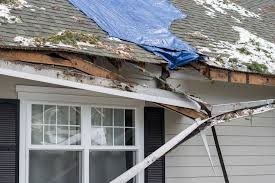
Storm-damaged roof with a tarp covering torn shingles and exposed decking after heavy rain

Orlando's hurricane risk looks nothing like a coastal city's. There's no storm surge here โ€” the danger is sustained tropical rainfall overwhelming flat terrain and more than 100 lakes that have nowhere fast to drain. Hurricane Ian proved this in 2022: it made landfall on the southwest coast, but the rainfall it dropped across Central Florida caused lakes and rivers in Orange and Seminole counties to keep rising for roughly two weeks afterward, flooding neighborhoods like Orlo Vista with several feet of water well after the storm had cleared the state.

We respond to this exact pattern โ€” flooding that shows up late and lingers โ€” as well as the more immediate wind-driven rain intrusion through damaged roofing that comes with any hurricane passing through Central Florida. Our crews document conditions thoroughly with photos and moisture readings from the first visit, since a slow-developing flood claim benefits from clear records showing when water actually reached a property.

We're a licensed, local Orlando company, which matters after any major storm brings a wave of unlicensed out-of-state crews into the state looking for quick work.

๐Ÿ“ž Call 689-358-3644

Request This Service

* Indicates required field

Why Orlando Flooding Often Peaks Days After the Storm Passes

Coastal storm damage is usually obvious within hours; Central Florida's is not. After Hurricane Ian, lakes and rivers across Orange and Seminole counties kept rising for roughly two weeks as rainfall worked its way through the region's flat, slow-draining terrain. That means a home with no water the day after the storm can still take on water well into the following week โ€” we build our post-storm response schedule around checking known low-lying and lakefront areas repeatedly, not just once.

Wind-Driven Rain vs. Rising-Water Flooding

These are two different jobs that often get lumped together as "hurricane damage." Wind-driven rain intrusion comes in fast through damaged roofing or window seals during the storm itself and is usually contained to upper floors and attics. Rising-water flooding from overwhelmed lakes and retention areas develops over days, affects ground floors first, and often carries more contamination. We scope and document each differently because insurance adjusters treat them differently.

Working With Your Insurance After a Named Storm

After any hurricane, Florida sees a wave of out-of-state crews going door to door with same-day contracts โ€” we're a licensed, local Orlando company and encourage anyone to verify that before signing anything. Because slow-developing lake flooding can make it hard to prove exactly when water reached a property, we photograph and log conditions on our first visit and every visit after, building the timestamped record adjusters need for a claim that didn't happen all at once.

Crew and Equipment Scaling During Widespread Storm Events

A single burst pipe affects one property; a named storm can put water into dozens of homes across the same neighborhood at once, which changes how we operate. During and after a major storm we bring in generator-powered extraction equipment so work can continue through power outages, stage additional air movers and dehumidifiers ahead of time based on National Weather Service rainfall forecasts, and prioritize calls by severity โ€” active intrusion and homes with vulnerable occupants first, contained or already-receding water later. That triage approach means some property owners wait longer than they would on a normal day, but it also means the worst-affected homes get equipment the fastest.

The Hurricane Deductible: A Cost Factor Unique to Named Storms

Most Florida homeowners policies carry a separate hurricane deductible that applies once a storm is officially named, and unlike a standard flat-dollar deductible, it's usually calculated as a percentage of the home's insured value โ€” often 2% to 5%, which can run into several thousand dollars before coverage kicks in. That's a materially different math problem than a routine plumbing claim, and it's part of why we document conditions thoroughly from the first visit: on a borderline claim, clear evidence of the actual damage and when it occurred can matter for whether it's worth filing at all against that higher threshold.

What to Expect in the Days After You Call

The first visit focuses on stopping active water intrusion and documenting conditions with photos and moisture readings โ€” this happens the same day whenever it's safe to reach the property. From there, extraction and initial drying setup typically follows within 24 hours for wind-driven rain damage, though a lake-adjacent or low-lying property may need us to return and re-scope over the following one to two weeks as rising water continues to develop, which is normal for Orlando's slow-flooding pattern rather than a sign anything was missed the first time. We keep communicating updated timelines rather than letting a homeowner guess at what's happening next.

Mistakes We See Often After a Hurricane

The most common one is waiting to see if standing water will recede on its own before calling anyone, which in Orlando can mean days of unnecessary soaking into drywall and subfloor while a lake keeps rising. A close second is homeowners or handymen attempting roof tarping themselves in unsafe post-storm conditions rather than coordinating with a roofer. We also see damaged contents thrown out before being photographed, which can weaken an insurance claim โ€” even a ruined item is worth a quick photo in place before it goes to the curb.

Watching for Delayed Flooding Even When Your Home Looks Fine

Because Orlando's rising-water flooding can take one to two weeks to fully develop after a storm passes, a home with no water the day after landfall isn't necessarily in the clear. We recommend anyone in a lake-adjacent, retention-pond-adjacent, or historically low-lying area keep checking their property daily through that window rather than assuming the risk ended when the rain stopped and the sky cleared. A quick call to have a moisture check done proactively is far less disruptive than discovering saturated drywall after it's had two weeks to sit.

Storm & Hurricane Rain Damage Restoration FAQs

Should I call before or after a hurricane makes landfall?

If you already have active wind-driven rain intrusion during the storm, call as soon as it's safe to do so. If you're in a lake-adjacent or low-lying area, keep watching your property for one to two weeks afterward even if nothing shows up right away, since Orlando's rising-water flooding often develops well after the storm itself has passed.

What should I photograph before your crew arrives after a storm?

Timestamped photos of any visible water line, standing water depth if it's safe to note, and the exterior damage that let water in, such as missing shingles or damaged flashing. This helps establish the earliest documented point in the claim's timeline, which matters more for a slow-developing lake flood than for a same-day loss.

Do you tarp roofs, or just handle the interior water damage?

We focus on extraction, drying, and documentation of the water damage itself rather than roof repair, but we can coordinate temporary tarping through partner roofers so wind-driven rain intrusion doesn't keep getting worse while permanent roof repairs are scheduled.

Areas We Serve

Proudly providing water damage restoration across the region:

Get Storm & Hurricane Rain Damage Restoration in Orlando Today

Fast response, upfront pricing, and friendly local pros. Call now for a free quote.

๐Ÿ“ž Call 689-358-3644