Orlando doesn't have a coastline, but it floods in its own distinctive way. The city sits on flat, low-relief terrain dotted with more than 100 named lakes — many of them, including Lake Eola itself, formed as sinkholes where Central Florida's limestone bedrock dissolved over time. That same karst geology sits under the whole region, in a corridor geologists and insurers sometimes call "Sinkhole Alley." When heavy rain falls here, it doesn't drain away quickly or wash out to sea — it backs up into lakes, retention ponds, and low-lying yards, and can keep rising for days or even weeks after a storm has already passed.
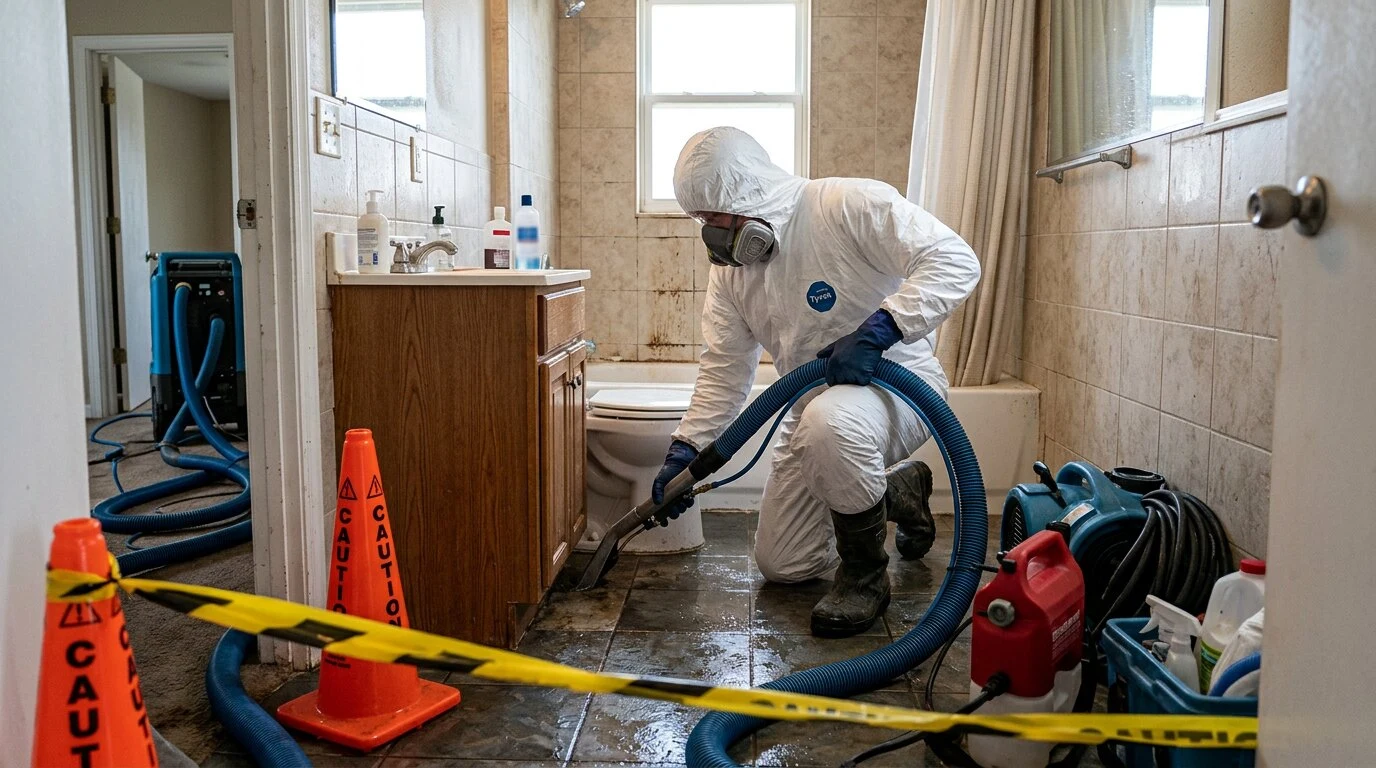
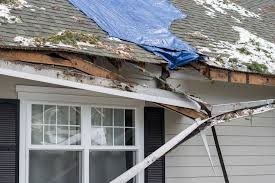
We're an Orlando-based water damage restoration crew that responds 24/7 to inland flooding, burst pipes, sinkhole-related intrusion, and storm damage anywhere in the Orlando metro. Every job follows IICRC S500 water-category and drying protocols, with moisture readings logged from first extraction through final dry-standard confirmation.
We also work extensively with the hotels, resorts, and vacation rental properties that make up so much of this city's economy along International Drive and near the theme parks — a commercial water damage niche that's genuinely different from a typical residential restoration job, and one we handle regularly.
Why Orlando Floods Without Ever Seeing a Coastline
Hurricane Ian is the clearest recent example of how Orlando's flood risk actually works. Ian made landfall on Florida's southwest coast in September 2022, well over a hundred miles from Orlando, but the historic rainfall it dropped across Central Florida caused what local officials called some of the worst flooding the region had seen in decades. Orange and Seminole County lakes and rivers kept rising for roughly two weeks after the storm had already moved on, and neighborhoods like Orlo Vista in west Orlando took on several feet of water — the same area that had flooded during Hurricane Irma five years earlier.
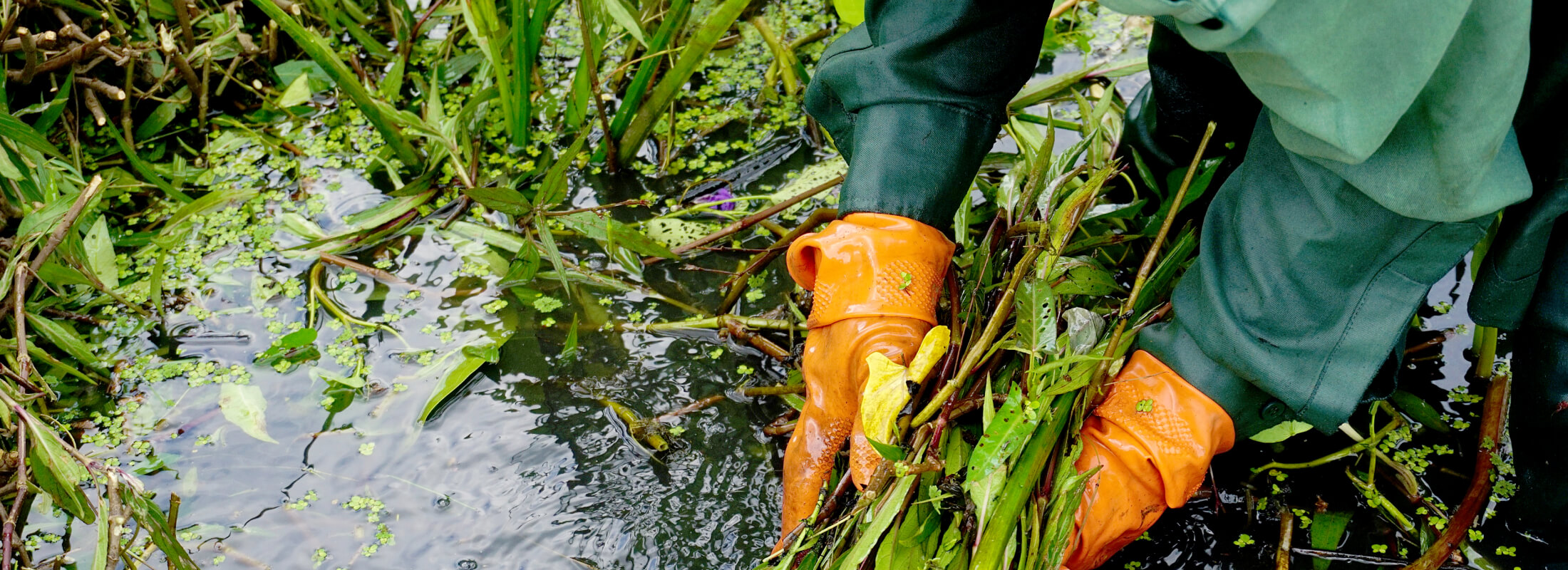
That lag between the storm and the flooding is the key difference from a coastal city: Orlando's flat terrain and more than 100 lakes act like a slow-draining bathtub. Heavy rain fills lakes and retention ponds first, and water keeps backing up into adjacent streets and homes long after the rain itself has stopped, rather than receding within hours the way storm surge does on the coast.
Sinkholes, Retention Ponds, and Lakefront Homes — Three Different Kinds of Water Risk
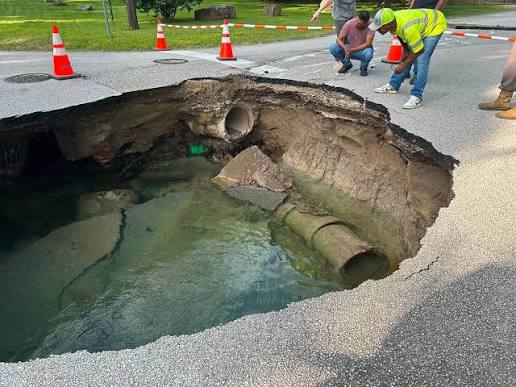
Central Florida sits on a band of soluble limestone close to the surface, a corridor sometimes called "Sinkhole Alley" that runs from around Tampa up through Orlando, Winter Park, and Maitland. Orlando itself falls into what the Florida Geological Survey classifies as a moderate sinkhole-risk zone, but the risk is real enough that Florida law requires insurers to investigate sinkhole-related claims — and ground movement around a home's slab can create water intrusion points that have nothing to do with weather at all.
On top of that, Orlando's housing stock splits into two very different flood-adjacency profiles. Historic lakefront homes around named lakes like the Lake Conway chain or the Winter Park chain of lakes face rising-water risk when a lake's level climbs after sustained rain. Meanwhile, Orlando's big newer subdivisions — Lake Nona and Horizon West among them — are built around engineered stormwater retention ponds, a standard feature of modern Florida development that's designed to hold overflow but can back up into adjacent homes during an unusually heavy rain event.
What Our Customers Say
“Our street flooded almost a week after the storm had already passed because the lake behind our neighborhood kept rising. Nobody else seemed to understand why that was happening, but this crew got it immediately and knew exactly what to document for our claim.”— Patricia N., Conway area
“Found a crack near our slab that turned out to be ground settling, not just normal wear. They brought in someone who actually understood the sinkhole geology issue instead of just drying the spot and moving on.”— Frank L., Winter Park
“We manage a few vacation rental properties near the parks and had a unit flood right before a big guest arrival. They got a crew out same day and worked around our turnover schedule, which most companies don't seem to prioritize.”— Angela R., Kissimmee
“Our retention pond overflowed into the backyard and started coming into the garage during a really heavy summer storm. They explained why our newer neighborhood floods differently than my parents' older house across town, which actually helped it make sense.”— Derek M., Horizon West
“Sewer backup on a Sunday night and they still answered and had someone here within the hour. Documented everything for insurance and the claim went through without any back and forth.”— Yolanda P., College Park
Frequently Asked Questions
Does Orlando really flood if it's not on the coast?
Yes, in a different way than a coastal city. Orlando has no storm surge risk, but its flat terrain, more than 100 lakes, and poor natural drainage mean heavy rain from a hurricane or tropical system can cause lakes and rivers to rise for days or even weeks after the storm has passed. Hurricane Ian in 2022 is the clearest recent example — the storm made landfall over 100 miles away, and Central Florida flooding kept worsening for nearly two weeks afterward.
What's a sinkhole-related water damage claim, and is it really relevant in Orlando?
Central Florida sits on a band of soluble limestone bedrock, and ground settling or sinkhole activity can crack a home's slab foundation, creating water intrusion points unrelated to any storm or rainfall. Orlando is classified as a moderate sinkhole-risk zone by the Florida Geological Survey, and Florida law requires insurers to investigate sinkhole-related claims when there's reasonable cause to suspect one.
How fast can you respond to an active water emergency in Orlando?
We offer 24/7 emergency response and prioritize active water intrusion calls, since standing water and wet materials create mold risk within 24 to 48 hours in Central Florida's humidity. Call anytime, day or night, and we'll get a crew moving as quickly as possible.
Do you handle water damage at hotels, resorts, and vacation rentals?
Yes, regularly. Orlando's tourism corridor along International Drive and near the theme parks has an enormous concentration of hotels, resorts, and vacation rental properties, and we work with hotel engineering teams and rental property managers to respond quickly with minimal disruption to occupancy and turnover schedules.
Will you work directly with my insurance company?
We document every job thoroughly with photos and moisture logs and communicate directly with your adjuster about the scope and progress of the restoration work. We're not a public adjuster, though — Florida licenses that role separately, and if you need help negotiating a complex claim, we can point you toward a licensed public adjuster rather than blur that line ourselves.
What's the difference between a retention pond flooding and a lake flooding my property?
Historic lakefront homes around Orlando's named lakes face rising water when sustained rain pushes natural lake levels up over days or weeks. Newer subdivisions like Lake Nona or Horizon West are built around engineered stormwater retention ponds designed to hold rainfall overflow, which can still back up into adjacent yards during an unusually intense rain event. Both require extraction and drying, but the documentation and timeline for each tends to look different for insurance purposes.
 689-358-3644