
๐Ÿ“ž Call for a Free Quote: 689-358-3644

Roof Leak & Ceiling Water Damage in Orlando, FL

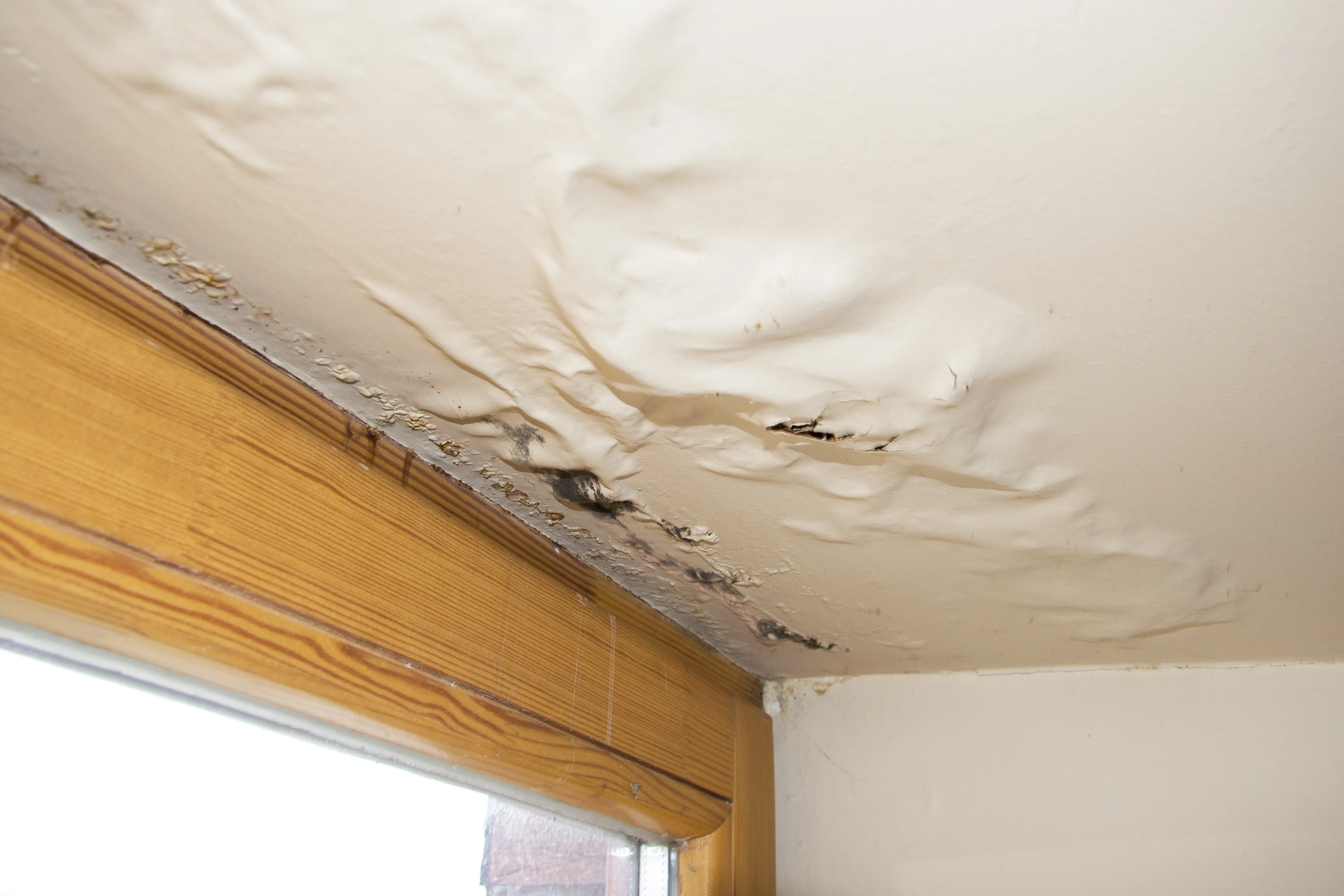
Water-stained and sagging ceiling drywall from a roof leak

Central Florida is widely cited as one of the most lightning-dense regions in the United States, a product of daily sea-breeze collisions from both Florida coasts fueling intense afternoon thunderstorms through the summer wet season. That frequency means Orlando roofs take more repeated stress than most of the country sees in a year, and even a small area of damage โ€” a lifted shingle, a lightning strike, failed flashing โ€” can let water travel through an attic and show up as a ceiling stain rooms away from where it actually entered.

We trace leaks back to their real source rather than just treating the visible stain, since ceiling drywall that looks locally damaged often has water that's already spread into insulation and framing. We extract and dry affected ceiling, attic, and wall cavities, and coordinate repair scope with your roofer or insurance adjuster so the intrusion doesn't just recur with the next summer storm.

This is consistently one of our highest-volume, non-hurricane call types, since it happens all summer long rather than only during a named storm.

๐Ÿ“ž Call 689-358-3644

Request This Service

* Indicates required field

Tracing a Leak Back to Its Real Entry Point

A ceiling stain rarely marks where water actually entered the roof. Central Florida's near-daily summer thunderstorms โ€” this region is among the most lightning-dense in the country โ€” mean water can travel along roof decking and truss framing for several feet before dripping through drywall rooms away from a lifted shingle, failed flashing, or a lightning strike point. We trace the path through the attic rather than only treating the visible stain.

What's Hiding in the Attic and Wall Cavities

Ceiling drywall that looks locally damaged often means insulation and framing above it have already absorbed significant water. We extract and dry the ceiling, attic space, and any affected wall cavities together, since drying only the visible ceiling surface while leaving saturated insulation in place is one of the most common ways this type of damage turns into a mold problem within days in Florida's humidity.

Coordinating With Your Roofer or Adjuster

We handle the water-damage side; the roof repair itself needs a roofer, and we coordinate scope and timing with them or with your insurance adjuster so the interior drying and repair schedule lines up with when the actual leak source gets fixed. This is consistently one of our highest-volume call types outside of hurricane season, since it happens all summer rather than only during a named storm.

Tools We Use to Trace a Roof Leak's Real Path

Beyond a visual attic inspection, we use moisture meters on decking, framing, and insulation to map exactly how far water has traveled from its actual entry point, and infrared thermal imaging can reveal temperature differences in ceiling drywall that flag wet insulation above it before any staining is even visible from below. This matters because the entry point on the roof and the stain on the ceiling are often several feet apart, and treating only the visible stain without tracing the actual path usually means the leak โ€” and the damage โ€” comes right back with the next storm.

Cost and Insurance Factors for Roof-Leak Water Damage

The water damage restoration and the roof repair are typically billed and covered separately, which surprises some homeowners: your policy generally covers the sudden interior water damage from a storm-caused roof failure, while the roof repair itself may be subject to separate wind or hail damage provisions, and a roof already flagged as near end-of-life can complicate coverage. Cost on our side scales with how much insulation and drywall needs to be removed versus dried in place, which depends heavily on how long the leak ran before it was noticed.

A Common Mistake: Patching the Stain Instead of the Source

We regularly see homeowners repaint or replace a small section of stained ceiling drywall without ever having the roof inspected, assuming a one-time storm caused a one-time stain. If the actual roof damage โ€” a lifted shingle, failed flashing, a lightning-strike puncture โ€” was never repaired, the same leak typically reappears with the next significant rain, sometimes in a slightly different spot on the ceiling as water finds a new path through already-damaged decking. We always recommend a roof inspection alongside our interior drying, not instead of it.

How This Differs From an AC Condensate Leak

Roof leaks and AC condensate overflows can produce a nearly identical ceiling stain, which is why we don't assume the cause from the stain alone. Roof-driven staining traces back to an actual point of entry on the roof plane and often appears after or during active rainfall, while AC-related staining clusters directly below wherever the air handler sits and can appear on a dry, sunny day with no storm involved at all. Our AC Condensate & HVAC Leak Water Damage Cleanup service covers that version of the same ceiling-stain problem.

Why Lightning Strikes Deserve a Specific Mention Here

A direct or near-direct lightning strike can puncture roof decking or damage flashing in a way that isn't always obvious from the ground, especially if it doesn't start a visible fire. Given how lightning-dense Central Florida's summer storms are, we ask about recent nearby strikes when a homeowner reports a sudden new leak with no obvious storm damage pattern, since a lightning-caused entry point can behave differently โ€” and sometimes look less dramatic from outside โ€” than wind-lifted shingles.

What to Expect During Multi-Day Rain When a Roof Is Already Compromised

If a roof has active, unrepaired damage going into a multi-day rain event โ€” common during Central Florida's wet season โ€” the same entry point can let in progressively more water each time it rains, even without a new storm causing new damage. We recommend temporary tarping through a partner roofer as soon as active roof damage is identified, specifically to prevent this compounding effect, rather than waiting for a permanent repair to be scheduled while more water finds its way in with every subsequent storm.

Attic Insulation: Why We Often Replace Rather Than Dry It

Blown-in and batt insulation both lose much of their effectiveness once saturated, and unlike drywall or framing, insulation rarely returns to its original performance even after reaching a technical dry-standard moisture reading. We typically recommend replacing insulation that's been significantly wet rather than drying it in place, since the cost difference is often smaller than homeowners expect, and drying degraded insulation just delays a replacement that was likely needed anyway.

Areas We Serve

Proudly providing water damage restoration across the region:

Get Roof Leak & Ceiling Water Damage in Orlando Today

Fast response, upfront pricing, and friendly local pros. Call now for a free quote.

๐Ÿ“ž Call 689-358-3644