
๐Ÿ“ž Call for a Free Quote: 689-358-3644

Sewage & Black Water Cleanup in Orlando, FL

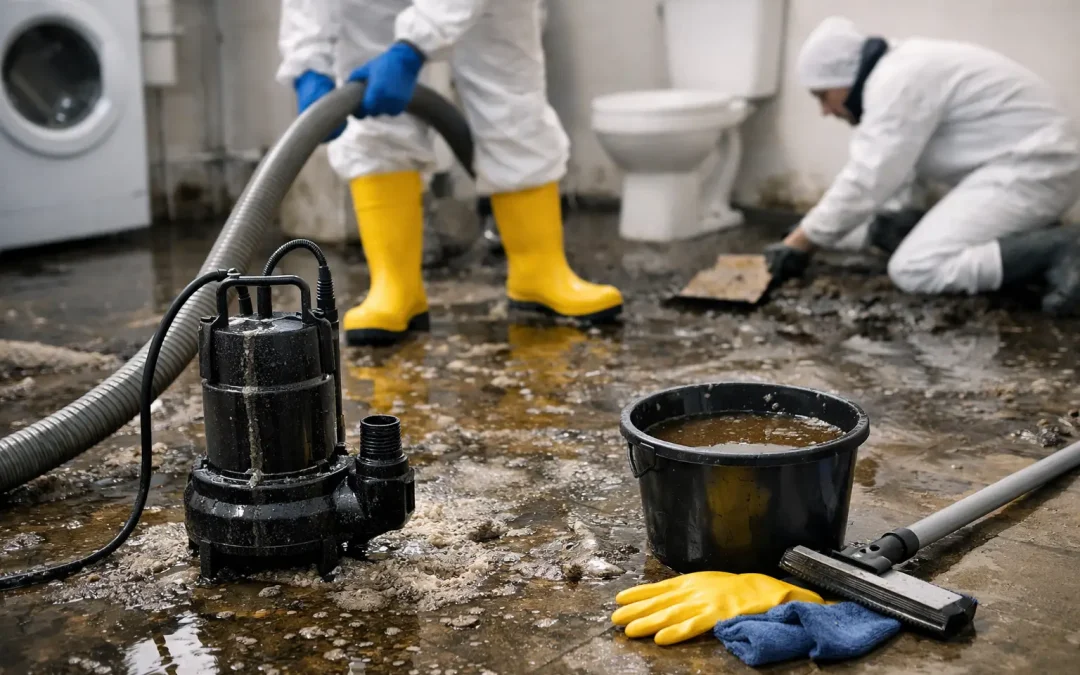
Technician in protective gear extracting Category 3 sewage water from a bathroom

Sewage backups, toilet overflows, and floodwater that's picked up ground contamination all fall into what the IICRC S500 standard classifies as Category 3, or "black water" โ€” water containing pathogens that requires different handling than a clean burst-pipe leak. We treat these calls with appropriate PPE, containment, and disposal protocols, removing porous materials that contacted contaminated water rather than attempting to clean and save them.

This is a common call after lake and rain-driven flooding in Orlando, since rising floodwater picks up contamination from storm drains and yards well before it reaches a home, and it's also a routine, non-storm issue when a sewer line backs up into a slab-on-grade home with nowhere for the water to go but the living space.

After contaminated materials are removed, we disinfect affected surfaces and verify the space is safe before beginning structural drying.

๐Ÿ“ž Call 689-358-3644

Request This Service

* Indicates required field

Category 3 Water: What Gets Removed vs. What Can Be Saved

The IICRC S500 standard classifies sewage backups, toilet overflows, and contaminated floodwater as Category 3, or "black water." Porous materials that contact it โ€” carpet padding, drywall below the water line, particleboard cabinetry โ€” get removed and disposed of rather than dried and reused, because they can't be reliably disinfected. Non-porous materials like tile, solid wood, and some hardwood floors can often be cleaned, disinfected, and saved instead.

PPE, Containment, and Disposal Protocols

Black water jobs require different handling than a clean-water leak: our crews work in appropriate personal protective equipment, contain the affected area to limit cross-contamination to unaffected rooms, and follow disposal protocols for removed materials rather than treating them like ordinary demolition debris. We disinfect all affected surfaces and verify the space is safe before any structural drying equipment goes in.

Common Call Triggers We See in Orlando

Two patterns account for most of our Category 3 calls here: rising floodwater from lakes and storm drains that picks up ground contamination before it ever reaches a home, and sewer-line backups into slab-on-grade homes that have nowhere for the water to drain but the living space. Both require the same contamination-first response, regardless of whether a storm was involved.

Our Category 3 Response Process, Step by Step

We start by containing the affected area with plastic sheeting and negative air pressure where needed to keep contamination from spreading to unaffected rooms, then extract standing water using equipment dedicated to Category 3 jobs rather than the same units used on clean-water calls. Once standing water is removed, we identify and remove porous materials that contacted it โ€” carpet, padding, drywall below the water line โ€” before disinfecting all remaining surfaces with EPA-registered antimicrobial products. Only after disinfection is verified do we bring in drying equipment, since running air movers over contaminated surfaces before they're treated can spread pathogens into the air.

Health and Safety Signs You Shouldn't Ignore

A lingering sewage odor after visible water is gone, staining that looks darker or oilier than clean water damage, and any sign of standing water backing up from a floor drain or toilet rather than an overflowing fixture are all signals you're dealing with Category 3 water, not something safe to clean up with household supplies. Children, pets, and anyone with a compromised immune system should stay out of the affected area entirely until our crew has completed containment, since airborne pathogens are a real risk during the removal phase, not just a contact hazard.

Cost Factors Specific to Black Water Jobs

Category 3 cleanup typically costs more per square foot than a clean-water loss because it requires disposal of materials that would otherwise be dried and saved, along with PPE, containment materials, and disinfection products that a clean-water job doesn't need. The source also matters for cost: a contained toilet overflow affecting one bathroom is a smaller job than a sewer line backup that's traveled through multiple rooms of a slab-on-grade home before anyone noticed. We provide a scope breakdown showing what's being removed and why, since insurers often want that level of detail before approving a Category 3 claim.

How This Differs From a Clean-Water Extraction Job

The extraction step looks similar from the outside, but almost everything after it is different. A clean-water loss lets us dry porous materials in place whenever readings support it; Category 3 water essentially never does, because there's no reliable way to fully disinfect saturated carpet padding or the inside of a wall cavity that's been exposed to pathogens. That's the core distinction homeowners are often surprised by โ€” the visible water might look no different from a clean supply-line leak, but the required response is substantially more involved.

A Common Misconception: 'It Doesn't Smell Bad, So It Must Be Fine'

Odor isn't a reliable indicator of contamination level. Floodwater that's picked up ground and storm-drain contamination can look and smell like ordinary muddy water while still classifying as Category 3 under IICRC S500, and a sewer backup that's been diluted by a large volume of other water can smell far less obvious than a fresh toilet overflow. We classify water category based on its known or likely source, not how it smells on arrival, which is why we ask specific questions about what happened before we ever step inside.

How Long a Category 3 Job Typically Takes

A contained toilet overflow affecting a single bathroom might be fully resolved, including disinfection and drying, within three to five days, similar to a clean-water loss of the same size. A sewer line backup that's traveled through multiple rooms of a slab-on-grade home takes considerably longer, since removal of contaminated porous materials, multiple rounds of disinfection verification, and drying of a larger affected area all add time beyond what a comparable clean-water job would need. We give a realistic range based on the actual footprint and severity we find on the first visit rather than a generic timeline that doesn't reflect the scope of contamination involved.

A Common Mistake: Treating a Small Backup as a DIY Cleanup

A minor toilet overflow can look manageable enough to mop up without professional help, but Category 3 water carries pathogen risk regardless of the volume involved, and household cleaning products aren't formulated to the disinfection standard this level of contamination requires. We recommend professional assessment for any sewage-related water event, even one that seems small and contained, since the health risk comes from contact and airborne exposure, not from how much water is visible on the floor.

Areas We Serve

Proudly providing water damage restoration across the region:

Get Sewage & Black Water Cleanup in Orlando Today

Fast response, upfront pricing, and friendly local pros. Call now for a free quote.

๐Ÿ“ž Call 689-358-3644